
Removal & Wall Prep
The substrate is where wallcovering performance is decided. We remove existing material, address what is underneath, and deliver a documented substrate ready for specification-grade installation.
Why Substrate Preparation Is the Critical Variable
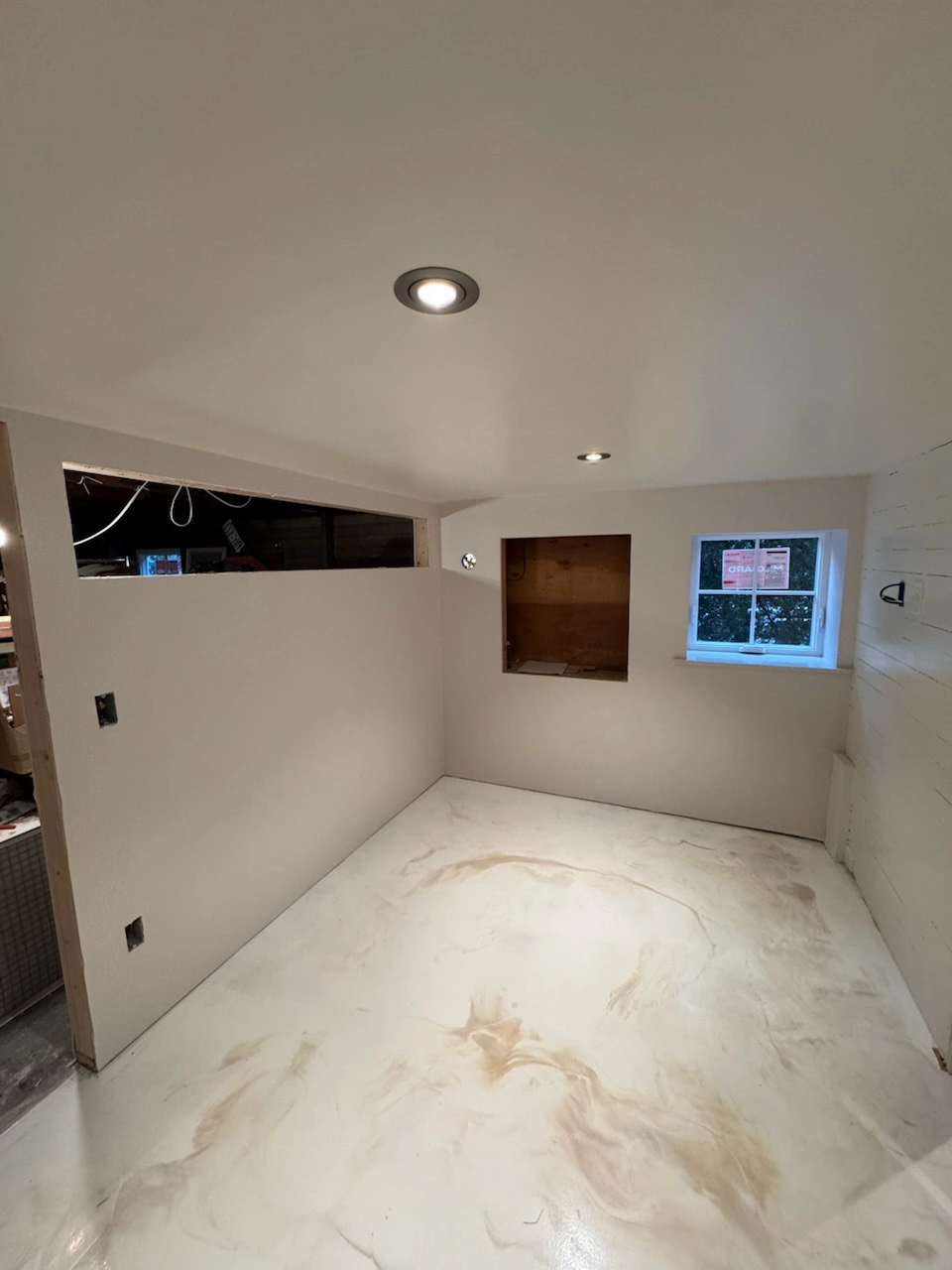
Commercial wallcovering failures in the field — lifting seams, bubbling, pattern distortion, early delamination — almost always trace back to substrate condition, not the material itself. Adhesive applied over an incompatible primer, over a porous or skim-coated surface that was not sealed, or over drywall paper that was torn during removal will produce visible failures within months.
The wallcovering manufacturer's warranty is typically voided by improper substrate preparation. For a GC carrying warranty liability on a commercial project, substrate documentation is not optional.
What Our Removal & Prep Scope Covers
Pre-Removal Assessment
Before removal begins, we assess the existing wallcovering type (vinyl-coated, fabric-backed, paper), substrate behind it (drywall, plaster, CMU, painted surface), and likely condition issues. This informs the removal method and prep scope estimate.
Existing Material Removal
Dry stripping where possible, scored and wet removal where required. The goal is removing material without tearing the drywall paper facing, which creates a substrate problem that requires skim coating to correct. Older commercial installations with heavy adhesive may require chemical softening and extended dwell time.
Adhesive Residue Removal
Residual adhesive left on the substrate will telegraph through new wallcovering — visible as a pattern of ridges or lumps under raking light. We remove residue mechanically and chemically as required, then confirm the surface profile before proceeding.
Substrate Repair
Torn drywall paper, gouges, fastener pops, cracked plaster, and moisture-damaged areas are identified and repaired. Compound selection depends on the defect type — lightweight compounds for surface irregularities, setting-type compounds for deeper repairs that need dimensional stability before skim.
Skim Coating
Where the substrate requires it — over repaired areas, over porous or inconsistent drywall, or over surfaces with texture that would read through the new wallcovering — we apply a skim coat and sand to a flat profile. Skim work is typically required after removal of older commercial wallcovering that was installed without proper priming in the original application.
Priming
Primer selection is material-specific. A sizing primer for porous drywall, a shellac-based primer over stain, or a specific manufacturer-recommended primer for a particular wallcovering product. Priming is not a generic step. The wrong primer at the wrong porosity will cause the adhesive to dry too fast or not fast enough, both of which produce seam failures.
Substrate Documentation
On commercial projects, we document substrate condition before and after prep — photographs, written notes on repair locations, primer product and batch reference. This documentation goes to the GC and is retained as part of the project record.
What a Properly Prepped Substrate Looks Like
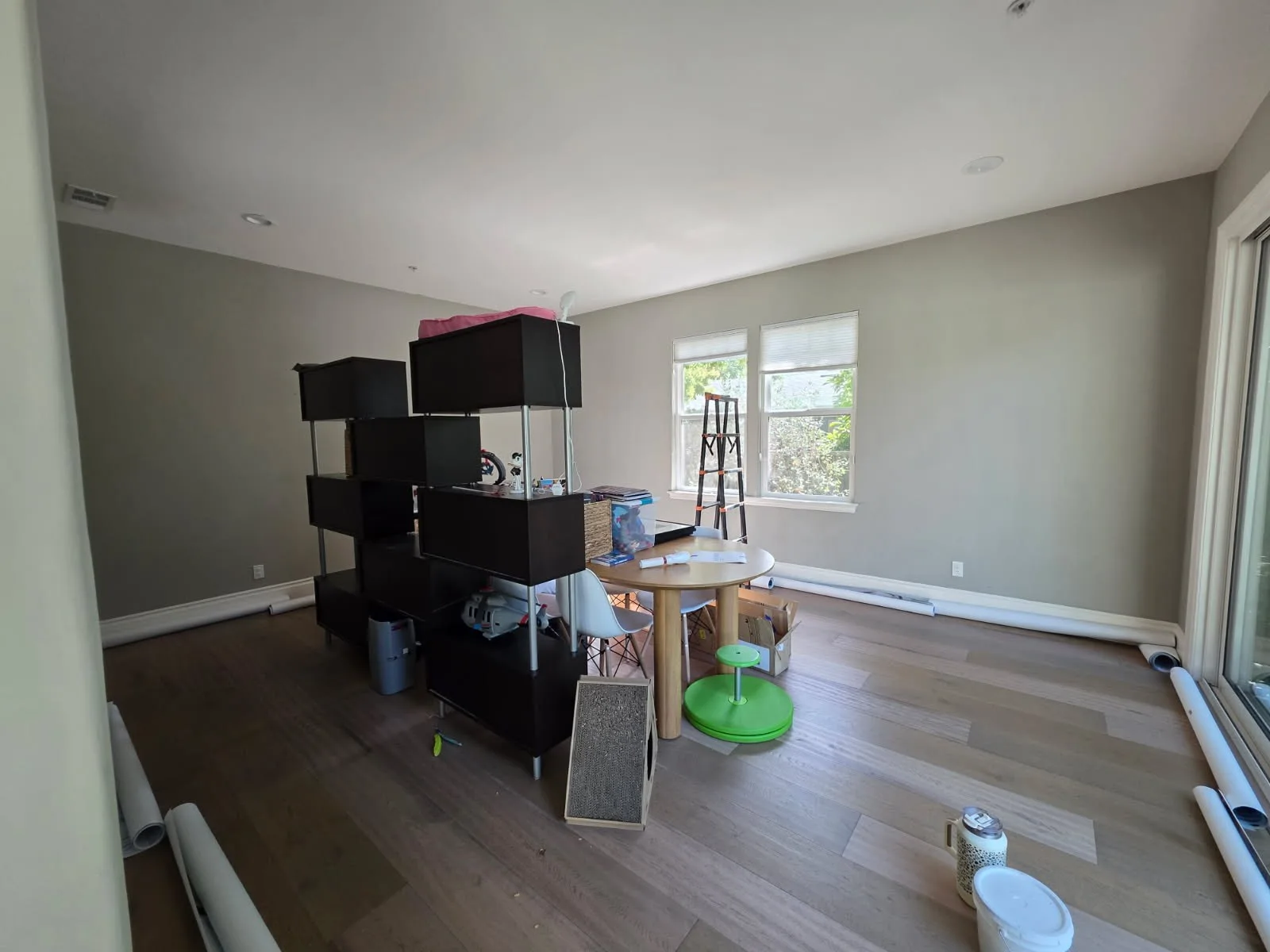
A prep-complete commercial wall should be flat within a tolerance appropriate to the specified wallcovering (heavier commercial vinyl tolerates more substrate variation than thin grasscloth or fabric-backed materials). The primer should be dry to the touch and not tacky. There should be no visible repairs telegraphing under raking light. This is the surface we deliver before installation begins.
Where We Deliver Removal & Wall Prep
Removal and wall prep scopes are available across all Ridge Interiors service areas in the Austin metro.
Request a Substrate Assessment
Describe your existing substrate condition and what is coming out. We'll provide a realistic prep scope and timeline within 24 hours.
Austin, TX 78727 (254) 570-5519 [email protected]